Every plan includes documented artifacts — not just access to a portal.
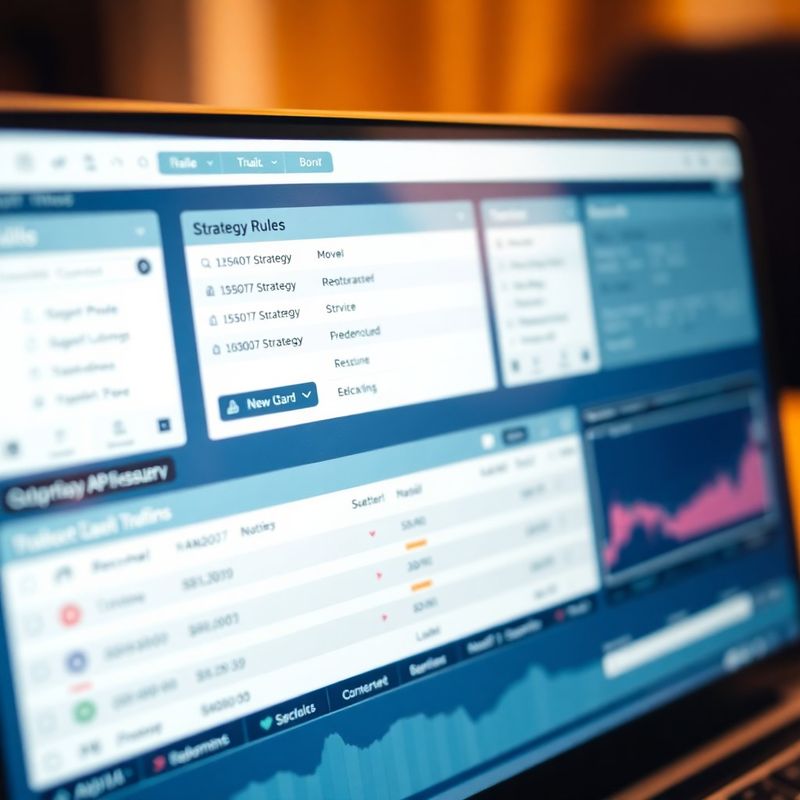
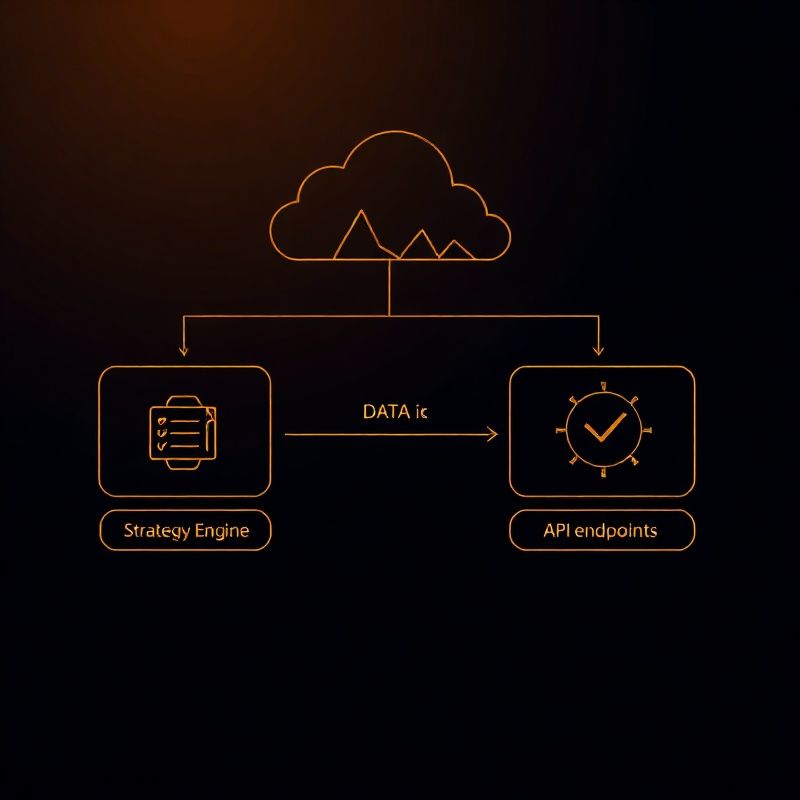
When you onboard with Bureau of Austin, you receive a configured integration package: a broker connector pre-authenticated to your live or paper account, a strategy definition file in JSON format that maps your rules to order types, a risk-parameter configuration sheet signed off during onboarding, and access to the monitoring dashboard under your own subdomain. Implementation takes three to seven business days depending on broker complexity. You are expected to supply your own strategy logic; our team validates that the logic compiles correctly and that order types are compatible with your broker's current API version. We do not design strategies or advise on which markets to trade.
Service Modules Available Across All Plans
Each module can be activated independently or combined into a full automation stack.
Broker Integration Setup
End-to-end configuration of your chosen broker's API credentials, session management, and order-routing rules within the Bureau of Austin engine. Includes a 48-hour paper-trading verification period before any live capital is at risk. Supported brokers: Interactive Brokers, Saxo Bank, XTB.
Strategy Automation via Python SDK or Visual Builder
Upload your strategy as a Python script conforming to our SDK interface, or build it with the no-code visual rule builder. The engine validates the logic against the broker's instrument catalogue and flags unsupported order types before live deployment. Automated unit tests run on every strategy version commit.
Backtesting with Tick-Level Data
Run your strategy against historical tick data sourced from your connected broker, spanning up to five years. Backtest reports include gross P&L, maximum drawdown, Sharpe ratio, and per-trade fill simulation using the broker's actual spread data. Reports are delivered as downloadable PDF and interactive HTML.
Risk Control Configuration
Our team works with you during onboarding to configure daily loss limits, per-position stop levels, and instrument exposure caps. These parameters are written to an immutable configuration file and cannot be adjusted via the dashboard during live trading hours — a deliberate safeguard against impulsive overrides.
Monitoring and Alerting
The indigo-tech dashboard streams broker connection health, order queue depth, and position P&L at 500 ms resolution. Alert channels include email, Webhook, and Telegram bot. Escalation rules let you define who receives alerts at each severity level — useful for trading desks with shared responsibilities.
What We Do Not Cover — and Why That Matters
Knowing the scope limits helps you plan the right setup from day one.
Bureau of Austin does not provide investment advice, signal services, or strategy design. Our platform is purely an execution and monitoring layer — the intelligence of the strategy is yours to supply. Results in live markets depend on the quality of your rules, your broker's liquidity, and macroeconomic conditions that no software can predict. We also do not support brokers outside our current catalogue without an explicit integration agreement, and we do not guarantee compatibility with broker API changes introduced without notice. In those cases, we commit to a 48-hour response window to assess impact and issue an update where technically feasible.
“The backtesting module used actual XTB spread data for my instrument list — not synthetic assumptions. That made the drawdown figures credible enough to show to my risk committee. Setup took four days, onboarding call was 90 minutes, and the documentation was complete. Exactly the tool a professional desk needs.”
Andreea Popa, portfolio manager, Bucharest
Seen Enough to Move Forward?
Request a quote or book a 30-minute technical walkthrough with a Bureau of Austin engineer.